


The Ultimate Ice Skating Guide: History, Nutrition, and Choosing the Right Skates

Ice skating combines athletic skill, artistic expression, and the thrill of gliding on frozen surfaces. Whether you skate for fitness, competition, or pure enjoyment, understanding the sport’s history, choosing the right equipment, and fueling your body can enhance your experience. This guide covers everything from the origins of ice skating to practical advice on nutrition and skate selection, helping you skate with strength, safety, and style.
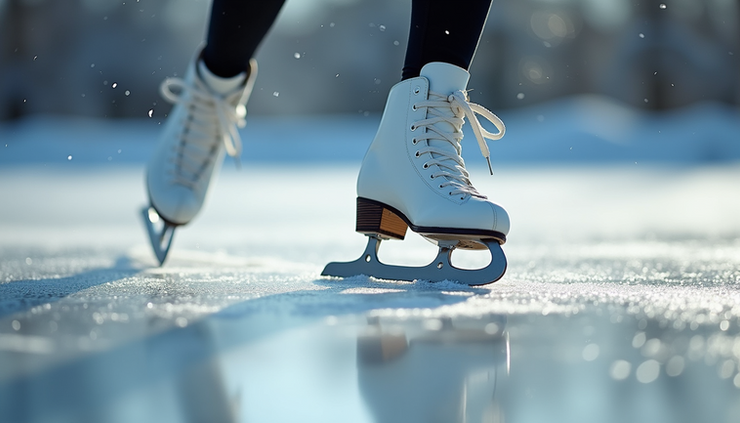
The Origins of Ice Skating: From Practical Travel to Artistic Sport
Ice skating started as a survival skill rather than a sport. Around 3000 BC, people in Scandinavia and Russia used flat animal bones strapped to their feet to move efficiently across frozen lakes and rivers during winter. This early form of skating helped with hunting and transportation in harsh climates.
The sport evolved significantly in the 13th and 14th centuries when the Dutch introduced metal blades. These blades allowed skaters to push off the ice and steer, opening the door to more complex movements. By the 1800s, ice skating had become an art form, with choreographed routines and competitions.
Skating became the first winter sport included in the Olympic Games in 1908. Since then, athletes like Yuzuru Hanyu, Nathan Chen, Tessa Virtue & Scott Moir, and Sonja Henie have elevated the sport to global prominence, blending athleticism with artistry.
Different Types of Ice Skates and How to Choose Them
Choosing the right skates depends on your skating style and goals.
Here’s a breakdown of the main types:
Figure Skates
High boots provide ankle support
Curved blades with toe picks for jumps and spins
Ideal for artistic skating and choreography
Hockey Skates
Shorter, curved blades for quick turns and stops
Designed for speed and agility on the ice
Used in fast-paced hockey games
Speed Skates
Long, flat blades for maximum straight-line speed
Low-cut boots for ankle flexibility
Perfect for racing and time trials
Short-Track Skates
Higher blades for tight turns on smaller rinks
Used in short-track speed skating competitions
When selecting skates, consider your skill level, the type of skating you want to do, and comfort. Ensuring proper fit and blade sharpness is crucial for performance, injury prevention, and enjoyable skating sessions.
How Ice Skating Affects Your Body
Ice skating is a full-body workout that improves balance, coordination, and cardiovascular health. It encourages you to stay active, which can boost your overall well-being and increase your energy.
The sport also challenges mental focus and creativity, especially in figure skating, where routines combine technical skill with artistic expression. This can help you feel more confident in your mental sharpness and creative potential.
Nutrition Tips for Skaters to Boost Performance and Recovery
Fueling your body properly helps you skate longer, recover faster, and reduce your risk of injury. Here are key nutrition tips for ice skaters:
Carbohydrates for Energy
Skating demands quick bursts of energy. Whole grains, fruits, and vegetables provide sustained fuel.
Protein for Muscle Repair
Lean meats, dairy, legumes, and nuts support muscle recovery after intense training.
Healthy Fats for Endurance
Sources like avocados, olive oil, and fish help maintain energy levels during longer sessions.
Hydration
Staying hydrated is essential, even in cold environments. Drink water before, during, and after skating.
Timing Your Meals
Eat a balanced meal 2–3 hours before skating. A light snack with carbs and protein 30–60 minutes before can boost energy.
Post-Skate Recovery
After skating, consume protein and carbs within 30 minutes to aid muscle repair and replenish glycogen stores.
Practical Advice for Skaters of All Levels
Warm Up and Cool Down
Preparing your muscles with dynamic stretches before skating and cooling down with gentle stretches afterward can help you feel more confident and cared for, encouraging you to prioritize your safety and well-being.
Protect Your Joints
Use proper technique consistently to prevent strain on knees and ankles, which is essential for injury prevention and safe skating. Consider supportive gear if needed.
Regular Skate Maintenance
Keep blades sharp and boots in good condition to ensure safety and performance.
Listen to Your Body
Rest when needed to prevent overuse injuries, and pay attention to pain or discomfort to stay more aware of your body's signals, supporting your safety and health.
Take Lessons
Professional coaching can improve technique and reduce the risk of injury.
Final Thoughts: Skating as a Holistic Wellness Practice
Ice skating is more than a sport; it’s a lifestyle, a discipline, and a form of self‑expression. When paired with proper nutrition, it becomes a powerful tool for physical health, emotional grounding, and personal empowerment. Whether you’re skating for fitness, artistry, or personal healing, intentionally fueling your body will help you glide with greater strength, grace, and confidence.

Comments